England Flag
National Flag of England
By Mohamadou Moctar · Last updated
What does the England flag mean?
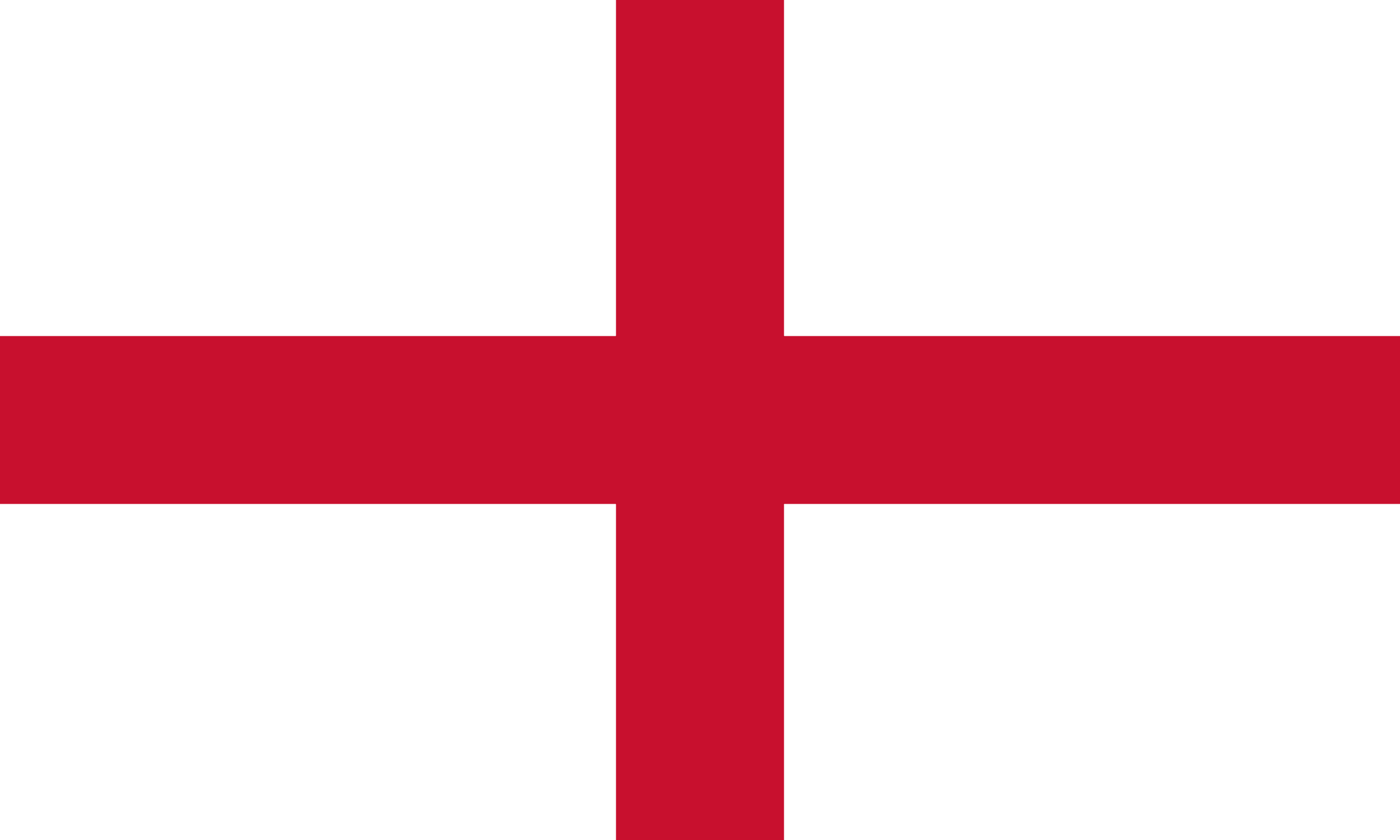
Red cross of Saint George: the emblem of England's patron saint, borne by English soldiers from the 13th century and adopted as the national symbol. White field: the plain silver ground on which the cross sits, giving the heraldic blazon 'Argent, a cross gules'.
England Flag Display
Quick facts
- Adopted:
- In use from the Late Middle Ages, when the red-on-white cross of Saint George was flown increasingly alongside the Royal Banner; it is recorded as England's flag by 1552. In 1606 it was combined with Scotland's Saltire to form the first Union Flag.
- Aspect Ratio:
- 3:5
- Capital:
- London
- Population:
- Approximately 57 million
England Flag for sale
Get a durable England Flag — perfect for pole, home, kids, car, office, or events.
Shop now on AmazonEngland Flag - Description
The flag of England is the St George's Cross: a red cross centred on a white field, blazoned in heraldry as 'Argent, a cross gules'. Saint George has been the patron saint of England since the Late Middle Ages, and his cross has served as the country's national flag ever since, distinct from the Union Flag of the United Kingdom.
England Flag – Symbolism and Meaning
- Red cross of Saint George: the emblem of England's patron saint, borne by English soldiers from the 13th century and adopted as the national symbol.
- White field: the plain silver ground on which the cross sits, giving the heraldic blazon 'Argent, a cross gules'.
England Flag - History and Origins
Red crosses distinguished English soldiers from at least the reign of Edward I in the 1270s, and the cross of Saint George was gradually adopted as England's emblem through the Late Middle Ages. During the English Reformation it became the only saint's flag permitted to be flown in public and served as England's principal maritime flag. In 1606, after the Union of the Crowns, it was combined with Scotland's Saint Andrew's Cross to create the Union Flag, and it remains a core element of the United Kingdom's Union Jack today.
England Flag - Design Elements
A centred red cross of Saint George extending to all four edges of a white field, blazoned 'Argent, a cross gules'. The official proportions are 3:5.
England Flag - Usage Guidelines and Protocol
Flown from public buildings, churches and at sporting events as the national flag of England, as distinct from the Union Flag of the United Kingdom. It is most commonly displayed on Saint George's Day, 23 April.
Further reading: Flag of England on Wikipedia
Frequently Asked Questions
What do the colors of the England Flag represent?
Red cross of Saint George: the emblem of England's patron saint, borne by English soldiers from the 13th century and adopted as the national symbol. White field: the plain silver ground on which the cross sits, giving the heraldic blazon 'Argent, a cross gules'.
When was the England Flag adopted?
In use from the Late Middle Ages, when the red-on-white cross of Saint George was flown increasingly alongside the Royal Banner; it is recorded as England's flag by 1552. In 1606 it was combined with Scotland's Saltire to form the first Union Flag.
What is the aspect ratio of the England Flag?
The England flag has an aspect ratio of 3:5.