Hungary vs Bulgaria Flag
By Mohamadou Moctar · Last updated
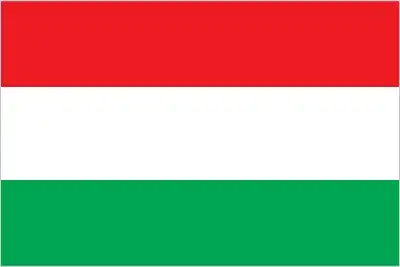
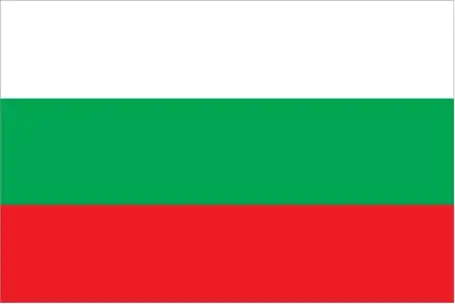
Hungary and Bulgaria's flags are easy to confuse. Both feature three horizontal stripes using red, white, and green. The critical difference is the order: Hungary's stripes are red-white-green (top to bottom), while Bulgaria's are white-green-red. From a distance or when hanging limp, the two can be remarkably difficult to tell apart, despite representing very different cultures and histories.
Key Differences
- Hungary's order is red-white-green (top to bottom); Bulgaria's is white-green-red.
- Hungary's flag ratio is 1:2; Bulgaria's is 3:5.
- Hungary's colors derive from the medieval Hungarian coat of arms; Bulgaria's from the Pan-Slavic movement.
- Hungary's flag dates to 1848; Bulgaria's current design was adopted in 1879.
- The shades differ slightly: Hungary uses a darker, richer red and green; Bulgaria's green is slightly lighter.
Similarities
- Both use red, white, and green horizontal stripes.
- Both are European tricolor flags adopted during 19th-century national movements.
- Both flags use three equal-width stripes.
- Both prominently feature white as one of three equal horizontal stripes, paired with red and green.
Why Do Hungary and Bulgaria Flags Look So Similar?
The similarity comes from independent choices rooted in different traditions. Hungary's red-white-green colors derive from the medieval Hungarian coat of arms, which featured red and white stripes with a green hill (the arms of the Árpád dynasty). These colors were formalized during the 1848 Hungarian Revolution against Habsburg rule. Bulgaria's white-green-red was inspired by the Russian flag (a Pan-Slavic symbol), with the blue stripe replaced by green to represent Bulgarian agricultural fertility. Both countries arrived at the same three colors through entirely separate paths.
History of the Hungarian Flag
Hungary's tricolor was first used during the 1848 Revolution against the Austrian Empire. The red, white, and green colors come from the medieval Kingdom of Hungary's coat of arms, a tradition dating to the 13th century. During the communist era (1949–1989), the coat of arms of the People's Republic was placed in the center. During the 1956 Revolution, Hungarians cut out the communist emblem (similar to Romania's 1989 revolution). The plain tricolor was officially restored in 1957 and has been unchanged since.
History of the Bulgarian Flag
Bulgaria's flag was first adopted on April 16, 1879, following liberation from Ottoman rule in 1878. The original inspiration was the Russian tricolor (white-blue-red), as Russia helped liberate Bulgaria. The blue stripe was replaced with green, symbolizing the agricultural wealth of Bulgaria. During the communist period (1946–1990), the state emblem was added to the white stripe. The plain tricolor was restored in 1991 after the fall of communism.
Color Comparison
Hungary Flag Colors
Bulgaria Flag Colors
Fun Facts
- Italy's flag also uses red, white, and green, but vertically, creating a trio of easily confused flags.
- During the 1956 Hungarian Revolution, Hungarians cut the communist emblem from their flags, leaving a hole in the center. These 'holed flags' became iconic symbols of resistance.
- Bulgaria replaced Russia's blue with green, making it one of the few Pan-Slavic-inspired flags to deviate from the white-blue-red pattern.
- Mexico's flag (green-white-red vertical) adds yet another country to the red-white-green confusion family.
- Iran also uses a green-white-red horizontal tricolor, though with added emblems and a different shade of green.
Frequently Asked Questions
Why do Hungary and Bulgaria flags look alike?
The similarity comes from independent choices rooted in different traditions. Hungary's red-white-green colors derive from the medieval Hungarian coat of arms, which featured red and white stripes with a green hill (the arms of the Árpád dynasty). These colors were formalized during the 1848 Hungarian Revolution against Habsburg rule. Bulgaria's white-green-red was inspired by the Russian flag (a Pan-Slavic symbol), with the blue stripe replaced by green to represent Bulgarian agricultural fertility. Both countries arrived at the same three colors through entirely separate paths.
What is the difference between the Hungary and Bulgaria flag?
- Hungary's order is red-white-green (top to bottom); Bulgaria's is white-green-red.
- Hungary's flag ratio is 1:2; Bulgaria's is 3:5.
- Hungary's colors derive from the medieval Hungarian coat of arms; Bulgaria's from the Pan-Slavic movement.
- Hungary's flag dates to 1848; Bulgaria's current design was adopted in 1879.
- The shades differ slightly: Hungary uses a darker, richer red and green; Bulgaria's green is slightly lighter.
Are the Hungary and Bulgaria flags the same?
No, while they look very similar, the flags of Hungary and Bulgaria have distinct differences. Hungary's order is red-white-green (top to bottom); Bulgaria's is white-green-red.
Can You Tell Them Apart?
Test your flag knowledge with our interactive quiz!
Play Flag Quiz →Other Similar Flags
Italy vs Mexico
Italy and Mexico flags both have green, white, and red vertical stripes. The key difference? Mexico adds its coat of arms. Compare their full history and meaning.
Chad vs Romania
Chad and Romania have nearly identical flags: blue, yellow, and red vertical stripes. Discover the differences, history, and why they look so alike.
Ireland vs Côte d'Ivoire
Ireland and Ivory Coast (Côte d'Ivoire) flags both feature green, white, and orange vertical stripes, but reversed. Learn the differences and history.
Further reading on Wikipedia: Flag of Hungary, Flag of Bulgaria