Greece vs Uruguay Flag: Why Are They So Similar?
By Mohamadou Moctar · Last updated
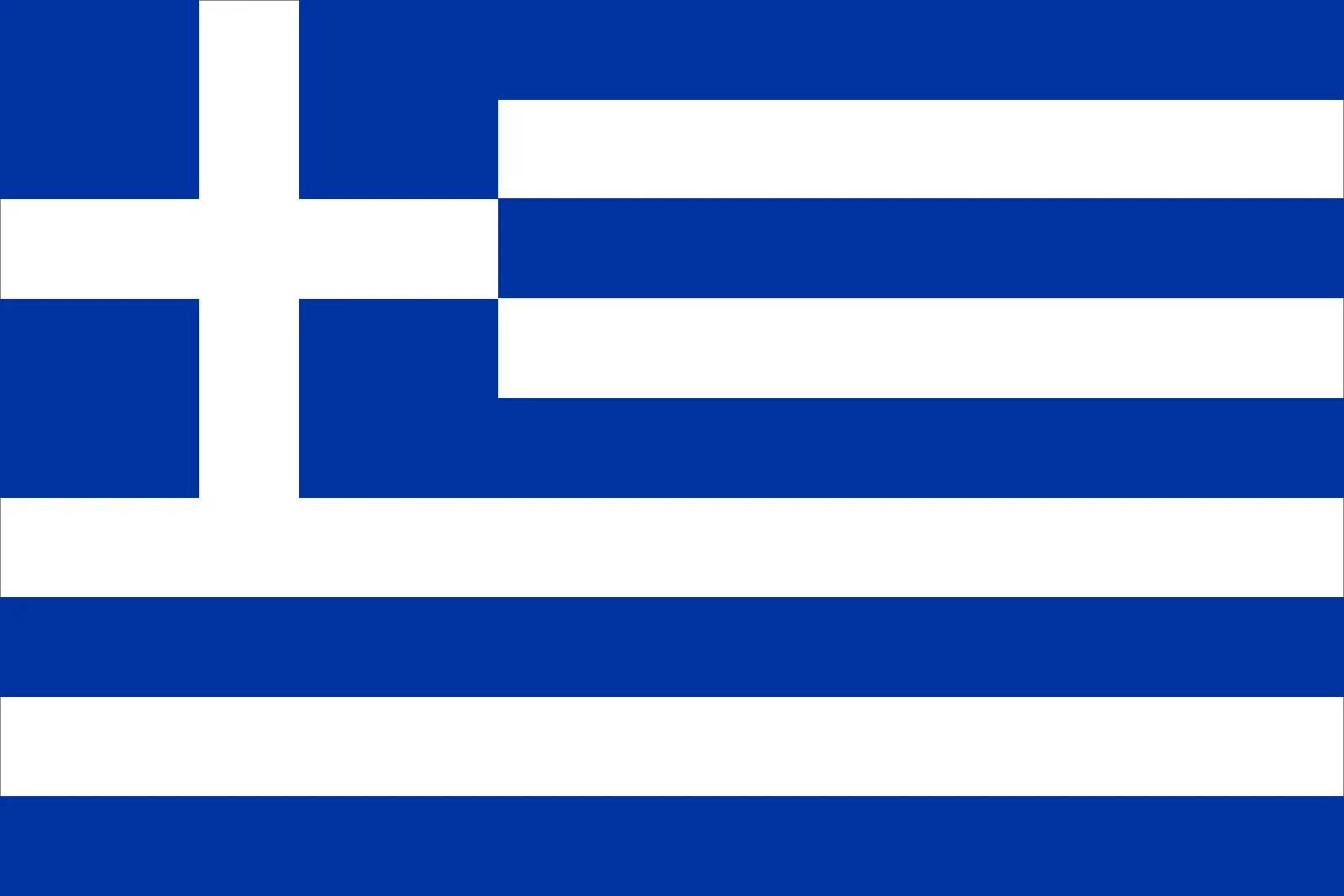
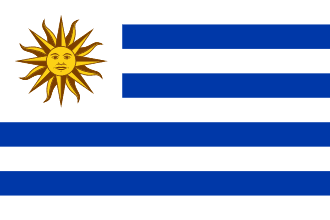
Greece and Uruguay's flags share a striking resemblance that few people expect. Both feature blue and white horizontal stripes, creating an unmistakable visual connection between a European and a South American nation. While Greece uses a cross in the canton and Uruguay places the Sun of May, the overall stripe pattern is remarkably similar. The resemblance is largely coincidental, though both flags draw on similar symbolic traditions.
Key Differences
- Greece has 9 stripes (5 blue, 4 white) with a white cross on blue in the canton; Uruguay has 9 stripes (5 white, 4 blue) with the Sun of May in a white canton.
- Greece's canton contains a white cross symbolizing Greek Orthodoxy; Uruguay's canton features the golden Sun of May.
- Greece's blue is a darker shade; Uruguay's blue is a lighter celeste (sky blue).
- Greece's flag was adopted in 1822; Uruguay's in 1830.
- The stripe order is inverted: Greece starts with blue on top; Uruguay starts with white on top.
Similarities
- Both have exactly 9 horizontal stripes.
- Both use only blue and white as their colors.
- Both have a distinct symbol in the upper-left canton.
- Both flags were adopted during independence movements in the early 19th century.
Why Do Greece and Uruguay Flags Look So Similar?
The similarity is coincidental. Greece's 9 stripes are traditionally said to represent the nine syllables of the Greek phrase 'Elefthería í Thánatos' ('Freedom or Death'), though some historians attribute them to the nine Muses. Uruguay's 9 stripes represent the nine original departments of the country. Both nations independently chose blue and white, Greece for its sky and sea and Uruguay for the Río de la Plata tradition. They arrived at a nearly identical stripe count and color palette by chance.
History of the Greek Flag
Greece's flag was officially adopted on December 22, 1978, though the blue-and-white striped design dates to the Greek War of Independence in 1822. The nine stripes and cross design competed with a simpler plain blue flag with a white cross for over a century. The military junta (1967–1974) used the plain cross version, so the restoration of the striped design after democracy was restored carried strong political symbolism.
History of the Uruguayan Flag
Uruguay's flag was adopted on July 11, 1830, shortly after independence from Brazil in 1828. The original design had 19 stripes (representing the 19 departments at the time), but this was reduced to 9 stripes on July 12, 1830, representing the 9 original departments. The Sun of May in the canton connects Uruguay to the broader Río de la Plata independence movement and is shared with Argentina's flag.
Color Comparison
Greece Flag Colors
Uruguay Flag Colors
Fun Facts
- Both flags have exactly 9 stripes, but for completely different reasons: Greece for a patriotic motto, Uruguay for its original departments.
- Uruguay's flag was partly inspired by the American Stars and Stripes, which also influenced the stripe-heavy design.
- Greece's flag is one of the few European flags with horizontal stripes and a canton, a design more common in the Americas.
- At a distance, the two flags can be nearly indistinguishable, especially when the canton details aren't visible.
Frequently Asked Questions
Why do Greece and Uruguay flags look alike?
The similarity is coincidental. Greece's 9 stripes are traditionally said to represent the nine syllables of the Greek phrase 'Elefthería í Thánatos' ('Freedom or Death'), though some historians attribute them to the nine Muses. Uruguay's 9 stripes represent the nine original departments of the country. Both nations independently chose blue and white, Greece for its sky and sea and Uruguay for the Río de la Plata tradition. They arrived at a nearly identical stripe count and color palette by chance.
What is the difference between the Greece and Uruguay flag?
- Greece has 9 stripes (5 blue, 4 white) with a white cross on blue in the canton; Uruguay has 9 stripes (5 white, 4 blue) with the Sun of May in a white canton.
- Greece's canton contains a white cross symbolizing Greek Orthodoxy; Uruguay's canton features the golden Sun of May.
- Greece's blue is a darker shade; Uruguay's blue is a lighter celeste (sky blue).
- Greece's flag was adopted in 1822; Uruguay's in 1830.
- The stripe order is inverted: Greece starts with blue on top; Uruguay starts with white on top.
Are the Greece and Uruguay flags the same?
No, while they look very similar, the flags of Greece and Uruguay have distinct differences. Greece has 9 stripes (5 blue, 4 white) with a white cross on blue in the canton; Uruguay has 9 stripes (5 white, 4 blue) with the Sun of May in a white canton.
Can You Tell Them Apart?
Test your flag knowledge with our interactive quiz!
Play Flag Quiz →Other Similar Flags
Argentina vs Uruguay
Argentina and Uruguay flags both feature blue and white horizontal stripes with a sun symbol. Compare the Sun of May, stripe count, and shared history.
Chad vs Romania
Chad and Romania have nearly identical flags: blue, yellow, and red vertical stripes. Discover the differences, history, and why they look so alike.
Norway vs Iceland
Norway and Iceland flags share the Scandinavian Cross design with reversed colors. Compare the red-blue and blue-red designs, history, and meaning.
Further reading on Wikipedia: Flag of Greece, Flag of Uruguay