Russia vs Slovenia vs Slovakia Flag
By Mohamadou Moctar · Last updated
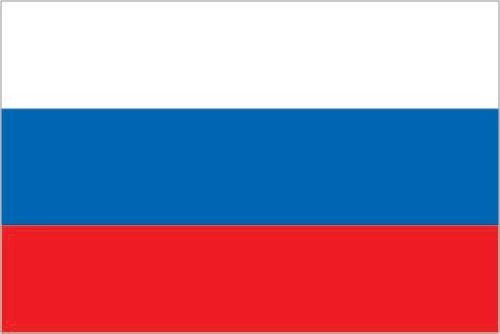
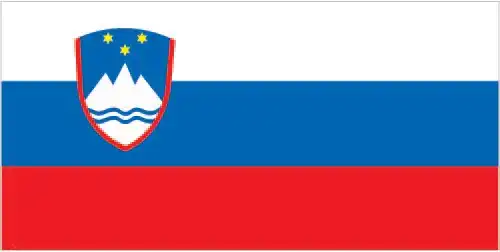
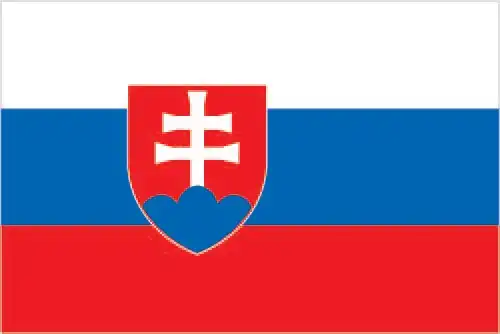
Russia, Slovenia, and Slovakia all fly flags with white, blue, and red horizontal stripes, in that exact order. Without their distinguishing coats of arms, Slovenia and Slovakia's flags would be indistinguishable from Russia's. The resemblance is no accident: the white-blue-red combination became a symbol of Pan-Slavic unity in the 19th century, directly inspired by the Russian tricolor.
Key Differences
- Russia's flag is a plain white-blue-red tricolor with no emblem.
- Slovenia adds its coat of arms (Mount Triglav with three stars) in the upper-left corner.
- Slovakia adds its coat of arms (a double cross on three hills) in the left portion of the flag.
- The shades of blue and red vary slightly between the three flags.
- Proportions differ: Russia uses 2:3, Slovenia 1:2, Slovakia 2:3.
Similarities
- All three feature white, blue, and red horizontal stripes from top to bottom.
- All three draw from the Pan-Slavic color tradition.
- The stripes are equal in width on all three flags.
- All three are Slavic nations with shared linguistic and cultural heritage.
Why Do Russia and Slovenia Flags Look So Similar?
The 1848 Pan-Slavic Congress in Prague adopted white, blue, and red as the Pan-Slavic colors, directly modeled on the Russian tricolor. Russia had used this color scheme since the late 17th century under Peter the Great. As Slavic nations gained independence or autonomy throughout the 19th and 20th centuries, many adopted flags using these colors as a symbol of Slavic solidarity. Slovenia and Slovakia both added their national coats of arms to distinguish themselves from Russia and each other.
History of the Russian Flag
Russia's white-blue-red tricolor dates to the 1690s under Tsar Peter the Great, who was inspired by the Dutch tricolor during his time in the Netherlands. It served as the civil flag and merchant ensign. After being replaced by the Soviet red flag in 1917, the tricolor was restored on August 22, 1991, during the dissolution of the USSR. August 22 is now Russia's Flag Day.
History of the Slovenian Flag
Slovenia's flag was adopted on June 25, 1991, the day Slovenia declared independence from Yugoslavia. The white-blue-red stripes were used by Slovenian nationalists since 1848. The coat of arms, added in the upper-left corner, depicts Mount Triglav (Slovenia's highest peak), two wavy blue lines (rivers and sea), and three six-pointed stars (from the Counts of Celje).
History of the Slovakian Flag
Slovakia's flag was adopted on September 3, 1992, one day after the Slovak constitution was signed, ahead of independence from Czechoslovakia on January 1, 1993. The white-blue-red stripes follow the Pan-Slavic tradition. The coat of arms is a white double cross on a blue shield above three blue hills (representing the Tatra, Fatra, and Mátra mountains). It is positioned on the left side to distinguish it from Russia's and Slovenia's flags. The double cross symbol dates to the 9th century and the Great Moravian Empire.
Color Comparison
Russia Flag Colors
Slovenia Flag Colors
Slovakia Flag Colors
Fun Facts
- Serbia and Croatia also use white-blue-red variations, adding to the Slavic flag family confusion.
- The Pan-Slavic Congress of 1848 explicitly chose the Russian tricolor's colors to represent all Slavic peoples.
- Without their coats of arms, Slovenia and Slovakia's flags would be pixel-perfect copies of Russia's flag.
- Slovakia's coat of arms features a double cross, one of the oldest heraldic symbols in Central Europe.
Frequently Asked Questions
Why do Russia and Slovenia flags look alike?
The 1848 Pan-Slavic Congress in Prague adopted white, blue, and red as the Pan-Slavic colors, directly modeled on the Russian tricolor. Russia had used this color scheme since the late 17th century under Peter the Great. As Slavic nations gained independence or autonomy throughout the 19th and 20th centuries, many adopted flags using these colors as a symbol of Slavic solidarity. Slovenia and Slovakia both added their national coats of arms to distinguish themselves from Russia and each other.
What is the difference between the Russia and Slovenia flag?
- Russia's flag is a plain white-blue-red tricolor with no emblem.
- Slovenia adds its coat of arms (Mount Triglav with three stars) in the upper-left corner.
- Slovakia adds its coat of arms (a double cross on three hills) in the left portion of the flag.
- The shades of blue and red vary slightly between the three flags.
- Proportions differ: Russia uses 2:3, Slovenia 1:2, Slovakia 2:3.
Are the Russia and Slovenia flags the same?
No, while they look very similar, the flags of Russia and Slovenia have distinct differences. Russia's flag is a plain white-blue-red tricolor with no emblem.
Can You Tell Them Apart?
Test your flag knowledge with our interactive quiz!
Play Flag Quiz →Other Similar Flags
Chad vs Romania
Chad and Romania have nearly identical flags: blue, yellow, and red vertical stripes. Discover the differences, history, and why they look so alike.
Netherlands vs Luxembourg
The Netherlands and Luxembourg flags both have red, white, and blue horizontal stripes. Learn how to tell them apart and their different origins.
Colombia vs Ecuador
Colombia, Ecuador, and Venezuela flags all share yellow-blue-red stripes from Gran Colombia. Compare their differences, shared history, and symbolism.
Further reading on Wikipedia: Flag of Russia, Flag of Slovenia, Flag of Slovakia