Pan-African Color Flags
16 national Pan-African flags, with notes on the history and symbolism behind the design.
About Pan-African Colors
The Pan-African colors — green, yellow (or gold), and red — derive from the flag of Ethiopia, the only African state to remain independent throughout the colonial era and a powerful symbol for 20th-century Black liberation movements. When Ghana gained independence in 1957, Kwame Nkrumah adopted the same three colors, and the choice cascaded through the wave of African decolonization: Cameroon, Senegal, Mali, Guinea, the Republic of the Congo, Burkina Faso, Benin, Togo, and several others built their flags around the same triad. The colors are usually read as green for the land, yellow for mineral wealth and the sun, and red for the blood of those who fought for independence. Some flags add a black star (Ghana) or other emblems, but the underlying signal is shared: an explicit visual statement of solidarity with Ethiopia and the wider Pan-African ideal.
All Pan-African Color Flags (16)
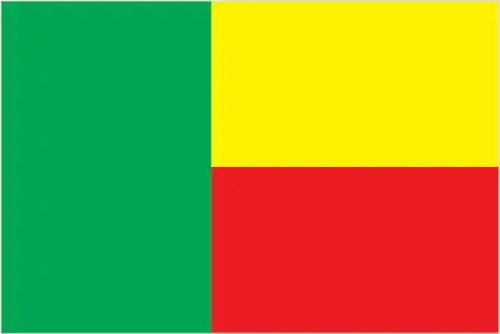 BeninBenin Flag
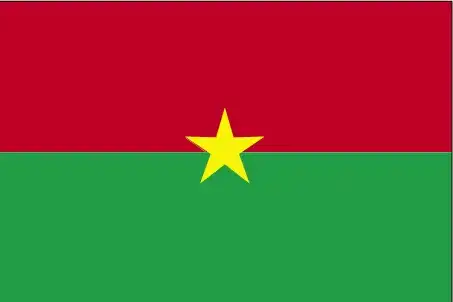 Burkina FasoBurkina Faso Flag
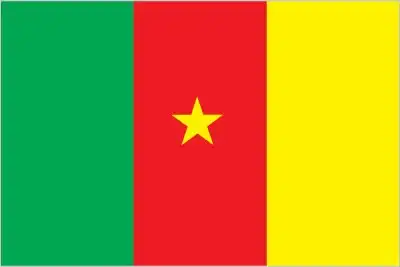 CameroonCameroon Flag
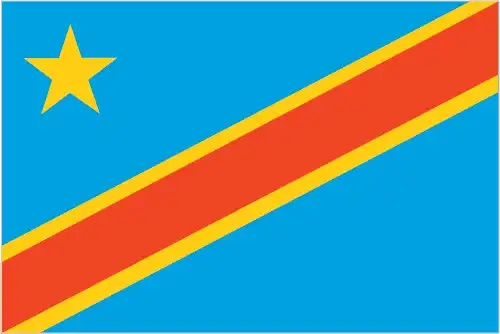 CongoCongo Flag
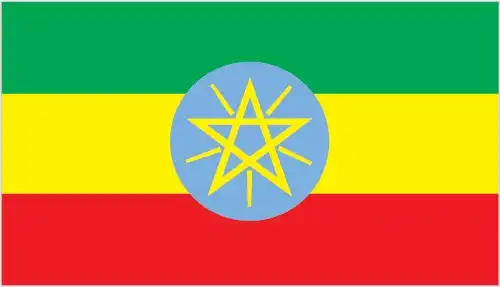 EthiopiaEthiopia Flag
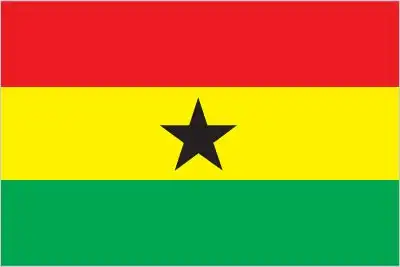 GhanaGhana Flag
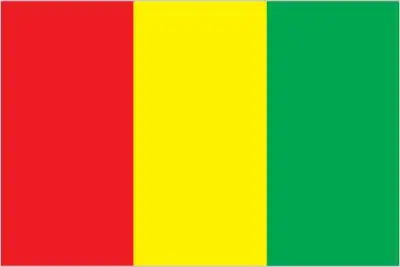 GuineaGuinea Flag
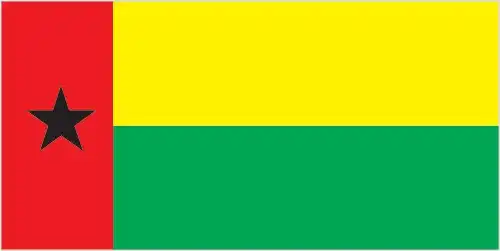 Guinea-BissauGuinea-Bissau Flag
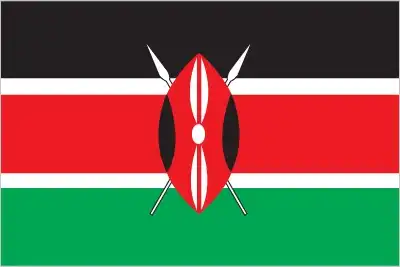 KenyaKenya Flag
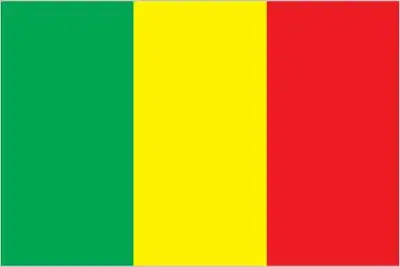 MaliMali Flag
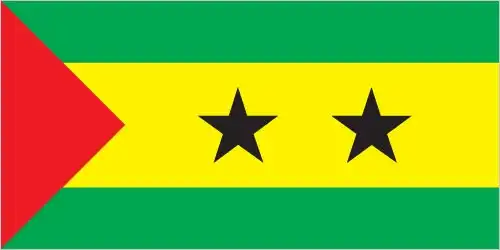 São Tomé and PríncipeSão Tomé and Príncipe Flag
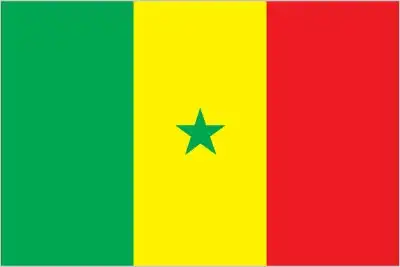 SenegalSenegal Flag
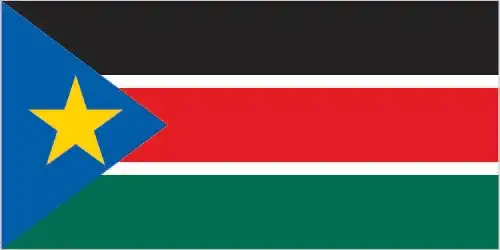 South SudanSouth Sudan Flag
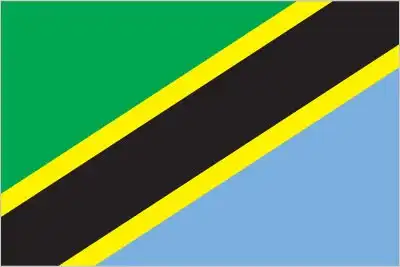 TanzaniaTanzania Flag
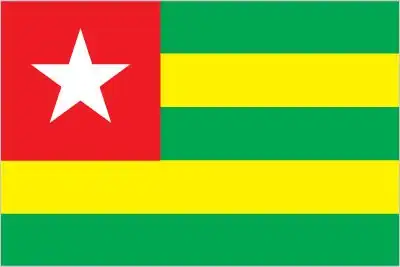 TogoTogo Flag
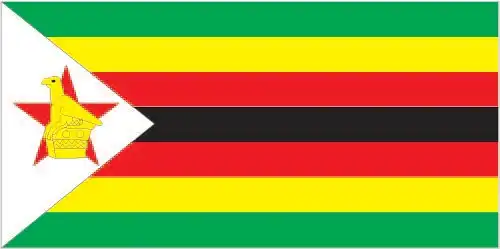 ZimbabweZimbabwe Flag
Related Flag Categories
Flags with Stars
National flags that feature one or more stars — the single most common emblem in vexillology.
77 flags →
Vertical Tricolor Flags
Three vertical bands of color — a republican design language born of the French Revolution.
18 flags →
Horizontal Tricolor Flags
Three horizontal bands — the most common national flag pattern in the world.
45 flags →