Pan-Arab Color Flags
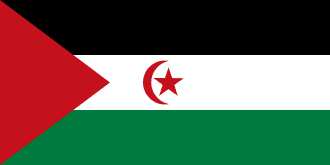
11 national Pan-Arab flags, with notes on the history and symbolism behind the design.
About Pan-Arab Colors
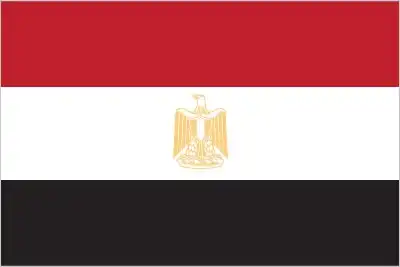
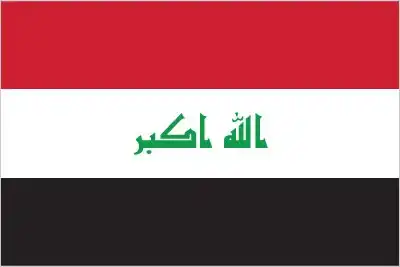
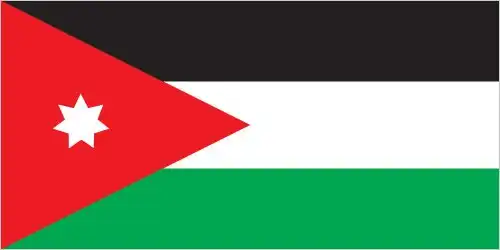
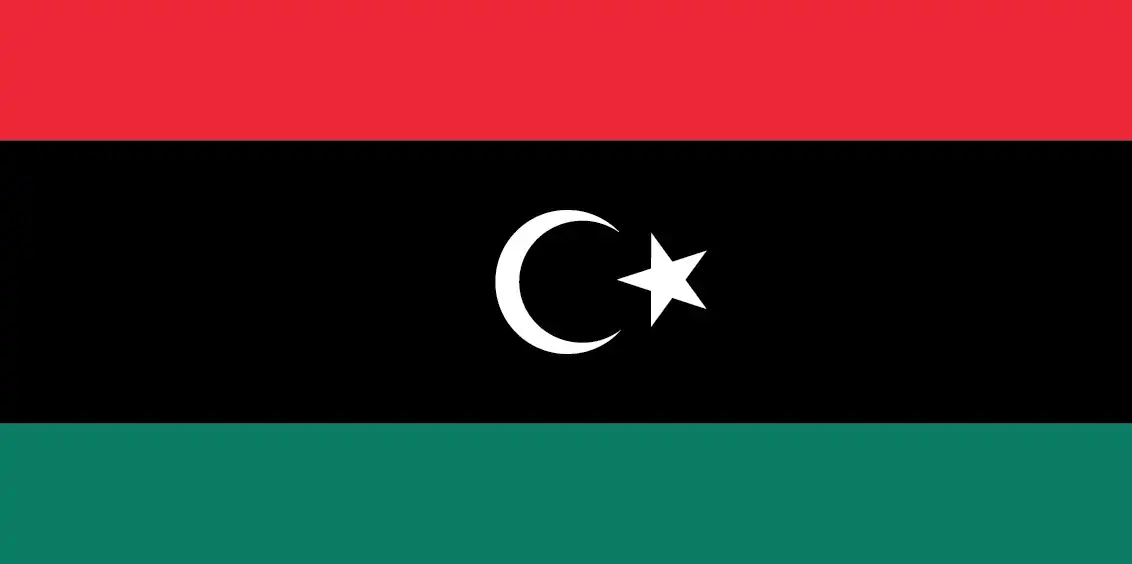
The Pan-Arab colors — black, white, green, and red — were popularized by the flag of the Arab Revolt in 1916, designed to express a unified Arab identity against Ottoman rule. The four colors come from medieval Arab dynasties: black for the Abbasid caliphate, white for the Umayyad caliphate, green for the Fatimid caliphate, and red for the Hashemites. The flag of the Arab Revolt directly inspired the modern flags of Jordan, Palestine, Kuwait, Sudan, the United Arab Emirates, Iraq, Syria, Yemen, Libya, and Egypt. Each country arranges the four colors differently — Jordan and Palestine use a hoist-side triangle, Egypt uses three horizontal bands plus an Eagle of Saladin, and Kuwait uses a trapezoid — but the visual family resemblance is unmistakable, and the colors function as a quiet but persistent marker of Pan-Arab solidarity.
All Pan-Arab Color Flags (11)






Related Flag Categories
Horizontal Tricolor Flags
Three horizontal bands — the most common national flag pattern in the world.
45 flags →
Flags with Stars
National flags that feature one or more stars — the single most common emblem in vexillology.
77 flags →
Flags with a Crescent Moon
The crescent and star is widely associated with Islam and the legacy of the Ottoman Empire.
15 flags →