Nigeria Independence Day — 1 October
Nigeria celebrates its Independence Day every year on 1 October, marking the events of 1960.
Make a Nigeria greeting card
Pick a message, then download the image and share it on WhatsApp or social media — free, no sign-up.
Why 1 October?
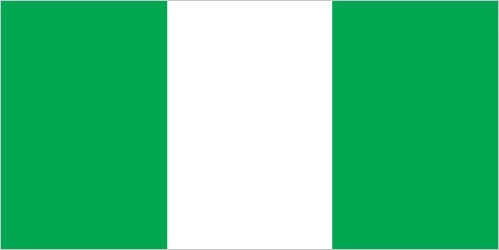
On 1 October 1960, Nigeria became an independent nation, ending decades of British colonial rule that had merged the northern and southern protectorates into a single territory in 1914. The handover in Lagos saw the Union Jack lowered and the green-white-green flag — designed by student Michael Taiwo Akinkunmi — raised for the first time. Independence came through negotiation rather than armed struggle, led by figures such as Nnamdi Azikiwe and Abubakar Tafawa Balewa, who became the country's first prime minister; Nigeria became a republic in 1963. The flag's two green bands stand for the country's natural wealth and agriculture, and the white for peace and unity. Independence Day, 1 October, is a national public holiday marked by a presidential address, parades and cultural celebrations across Africa's most populous country. For many Nigerians it is a moment to reflect on national unity across more than 250 ethnic groups and the hopes carried by the flag.
Learn what every colour and symbol means on the Nigeria flag page.
Quick facts
- Date
- 1 October (every year)
- Official name
- Independence Day
- Commemorates
- 1960
- Public holiday
- Yes, in Nigeria