France vs Netherlands vs Russia Flag
By Mohamadou Moctar · Last updated
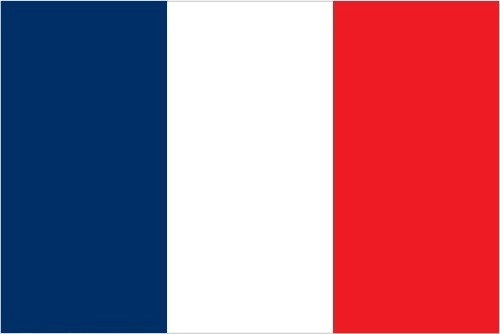
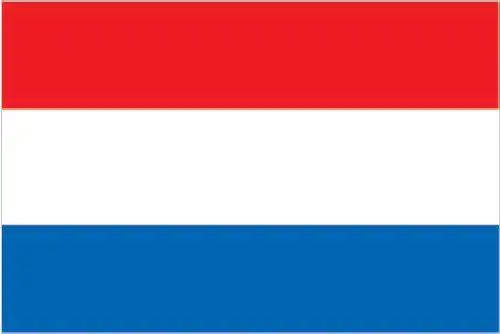
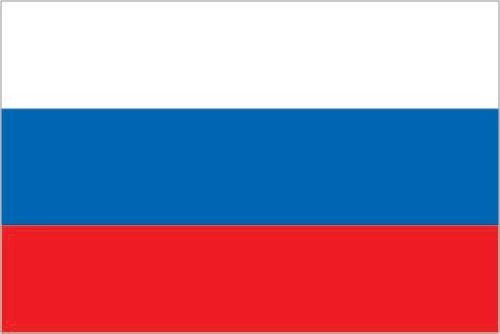
France, the Netherlands, and Russia all fly flags composed entirely of red, white, and blue, three of the most popular colors in world vexillology. Yet each flag arranges them differently: France uses vertical stripes (blue-white-red), the Netherlands uses horizontal stripes (red-white-blue), and Russia uses horizontal stripes in a different order (white-blue-red). These three flags have influenced dozens of other national flags worldwide.
Key Differences
- France's stripes are vertical (blue-white-red, left to right); the Netherlands and Russia use horizontal stripes.
- The Netherlands' order is red-white-blue (top to bottom); Russia's is white-blue-red (top to bottom).
- France's flag ratio is 2:3; the Netherlands' is 2:3; Russia's is 2:3. All share the same ratio but are visually distinct.
- The Dutch flag is the oldest of the three, dating to the 17th century; Russia's dates to the 1690s; France's to 1794.
- The shades differ: France uses a dark navy blue, the Netherlands uses cobalt blue, and Russia uses a medium blue.
Similarities
- All three use only red, white, and blue.
- All three are tricolor flags with three equal stripes.
- All three have influenced numerous other national flags around the world.
- The French Tricolore inspired many vertical tricolors; the Dutch flag inspired many horizontal ones.
Why Do France and Netherlands Flags Look So Similar?
The similarity stems from a combination of influence and coincidence. The Dutch flag (the oldest tricolor in continuous use) was the first to use the red-white-blue horizontal format in the 17th century. Peter the Great of Russia, who spent time in the Netherlands in 1697, was inspired by the Dutch flag when designing Russia's tricolor, rearranging the stripes to white-blue-red. France's vertical tricolor emerged independently during the French Revolution in 1789–1794, combining the blue and red of Paris with the white of the Bourbon monarchy. Together, these three flags became templates for dozens of nations worldwide.
History of the French Flag
The French Tricolore was born during the French Revolution. On July 17, 1789, King Louis XVI pinned the blue and red cockade of Paris alongside the white cockade of the Bourbon monarchy, symbolically uniting the people and the crown. The vertical tricolor flag was officially adopted on February 15, 1794. Napoleon carried it across Europe, inspiring similar tricolors in Italy, Ireland, Belgium, and many others. It has been France's flag continuously since 1830 (briefly interrupted during the Bourbon Restoration).
History of the Netherlands Flag
The Dutch flag is considered the oldest tricolor in the world still in use. It evolved from the orange-white-blue Prince's Flag (Prinsenvlag) used during the Dutch Revolt against Spain (1568–1648). The orange stripe was gradually replaced by red during the 17th century, possibly because red dye was more visible at sea, or to distance from the House of Orange during republican periods. The red-white-blue design was officially confirmed by royal decree in 1937.
History of the Russian Flag
Russia's tricolor was introduced by Tsar Peter the Great in the 1690s, reportedly inspired by the Dutch flag he encountered during his time in the Netherlands. He rearranged the colors to white-blue-red. The flag served as Russia's civil ensign and merchant flag. After being replaced by the Soviet red flag in 1917, it was restored on August 22, 1991, during the dissolution of the USSR. It has been Russia's official flag ever since, with August 22 celebrated as Russia's National Flag Day.
Color Comparison
France Flag Colors
Netherlands Flag Colors
Russia Flag Colors
Fun Facts
- The Dutch flag is considered the oldest tricolor still in use, predating both France and Russia's flags.
- Peter the Great literally worked in Dutch shipyards under a false identity before designing Russia's flag. The Dutch influence was direct and personal.
- The French Tricolore has inspired more national flag designs than any other flag in history.
- During Napoleon's invasion of Russia in 1812, two armies carrying red-white-and-blue flags fought each other.
- Luxembourg's flag is nearly identical to the Netherlands', just with a lighter blue. This adds to the confusion.
Frequently Asked Questions
Why do France and Netherlands flags look alike?
The similarity stems from a combination of influence and coincidence. The Dutch flag (the oldest tricolor in continuous use) was the first to use the red-white-blue horizontal format in the 17th century. Peter the Great of Russia, who spent time in the Netherlands in 1697, was inspired by the Dutch flag when designing Russia's tricolor, rearranging the stripes to white-blue-red. France's vertical tricolor emerged independently during the French Revolution in 1789–1794, combining the blue and red of Paris with the white of the Bourbon monarchy. Together, these three flags became templates for dozens of nations worldwide.
What is the difference between the France and Netherlands flag?
- France's stripes are vertical (blue-white-red, left to right); the Netherlands and Russia use horizontal stripes.
- The Netherlands' order is red-white-blue (top to bottom); Russia's is white-blue-red (top to bottom).
- France's flag ratio is 2:3; the Netherlands' is 2:3; Russia's is 2:3. All share the same ratio but are visually distinct.
- The Dutch flag is the oldest of the three, dating to the 17th century; Russia's dates to the 1690s; France's to 1794.
- The shades differ: France uses a dark navy blue, the Netherlands uses cobalt blue, and Russia uses a medium blue.
Are the France and Netherlands flags the same?
No, while they look very similar, the flags of France and Netherlands have distinct differences. France's stripes are vertical (blue-white-red, left to right); the Netherlands and Russia use horizontal stripes.
Can You Tell Them Apart?
Test your flag knowledge with our interactive quiz!
Play Flag Quiz →Other Similar Flags
Netherlands vs Luxembourg
The Netherlands and Luxembourg flags both have red, white, and blue horizontal stripes. Learn how to tell them apart and their different origins.
Russia vs Slovenia
Russia, Slovenia, and Slovakia flags all have white-blue-red horizontal stripes. Learn how to tell them apart by their coats of arms and subtle differences.
Chad vs Romania
Chad and Romania have nearly identical flags: blue, yellow, and red vertical stripes. Discover the differences, history, and why they look so alike.
Further reading on Wikipedia: Flag of France, Flag of the Netherlands, Flag of Russia